

Coffee Voted The Nations Most Popular Beverage.
In a recent poll, it has been revealed that coffee has overtaken tea as our beverage of choice. This is
This may well be a misleading image for this article, but it’s not that far out. When I was a young (strapping?) lad, I went to Australia for a whole host of reasons, including some family time. It was amazing. Whilst working on a carnation nursery, I was invited to join the local Aussie Rules team. Aussie Rules is every bit as brutal and physical as rugby; it’s just hotter there, most of the time. So I am not painting a false picture here; I declined. In our local comp (Comprehensive Modern School, as they were called in the 1970’s and 80s), I made it to the top group in rugby. This wasn’t because I was particularly good or fast, but almost weekly, someone would have a broken bone playing rugby. Long story short, no broken bones to this day, and I respectfully declined.
The number of times I have been told that people think that coffee is better in Australia frustrates me. If we look at geography and coffee quality stakes, most drinks that flow from espresso machines are ordinary. This is in part due to the cost of getting coffee to Australia, and on top of this, the way they brew. Which leads me to what we call (at the roastery) Aussie Rules Coffee.
Back in the early 2000’s, a handful of cool coffee kids (no relation to a charity of a similar name) started roasting coffee lighter and started brewing coffee in 18g of coffee into -30g of espresso, or an 18:30 (1:1.66) brew ratio. This was never delicious (in my experience), but it was a good reaction to the “old school” dosing chamber deliveries of 7g single shots. It moved coffee along quickly, and the adapters grew rapidly because one cup of coffee was suddenly using an extra 11g of coffee. That is about 150% extra per cup of coffee. Coffee was so much cheaper then, too. I am going to throw in the questionable fact that the flatwhite was born in this era. There are ownership stories from both Australia and New Zealand. The 18:30 was influenced by Australians and New Zealanders who came to London. They dramatically changed the scene for the better.
The UK widely adopted a 1:2 ratio with espresso. Many machines started using 17g baskets, and the maths was easy. We all love a two times table! This standard recipe has been the go-to for what feels like 20 years. For my two penneth, the ratio was always unbalanced in espresso. More dilution is often more pleasant for me. However, in a milk-based drink, controversially, it doesn’t really matter as much, because the rough under-extracted parts of the espresso have a habit of creating different flavours in milk.
When we visited Cornhill Coffee in Sydney a few years ago, our good friends Andy and Helen hosted us. Andy used to work with us many moons ago, and he is a perfectionist in great ways, including coffee and food. I would travel to buy his coffee and food, and if you are in or around Sydney, you have a few places you can buy it. I was surprised by the fact that the coffee recipe had shifted. The days of 17g had gone, and the 22g was in. This change in coffee evolution meant that you only needed 11g (half of the 22g for clarity) of coffee to make a cup. Your 2-group espresso machine effectively became as productive as a 4-group, most of the time. The small and large flatwhite still doesn’t sit quite right with me, but some of our customers think there is no such thing as a small latte, based on a 1:2.
Is this the UK’s next step in coffee? We used to work with a progressive bakery in Bath and Bristol, but couldn’t offer the level of machine servicing that they needed. They moved across to this system. The director there is a shrewd numbers man, but, to his credit, started to ride the Aussie Rules Coffee wave early.
Will the future of UK coffee mirror this?
Is coffee going to all have to be dark, cheap and ordinary (life choices) to kick through these smaller shots?
How much will this save our customers?
Will this be the change that makes UK coffee as desirable and consistent as Australian and New Zealand coffee?
As always, it is up to all of us. To keep moving in the direction of making things better. You don’t have to change much to brew this way. We have had great results with Formula 6, Simply Brazil and Chapin. They can all work this way.
In a recent poll, it has been revealed that coffee has overtaken tea as our beverage of choice. This is

This week, we are getting our metaphorical teeth into our new coffees from Tesfaye Bekeley, many of you will be
It is no easy fix, changing how your coffee bag looks after (very nearly) 25 years. The aim from our
World of Coffee 2023 Athens World of Coffee review. The atmosphere at WoC is electric. If you have ever been
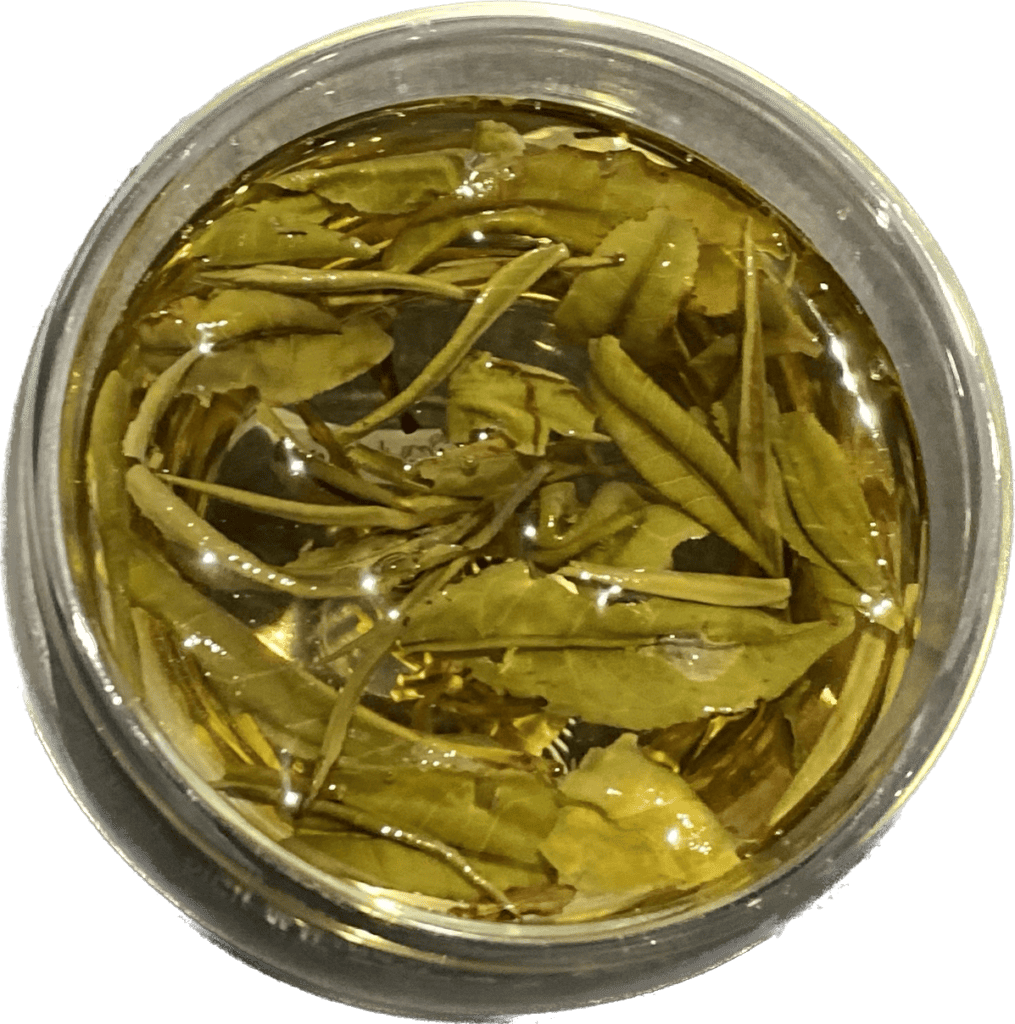
Firstly, before I start talking about “black tea”, I am referring to tea without milk, so that could be white,
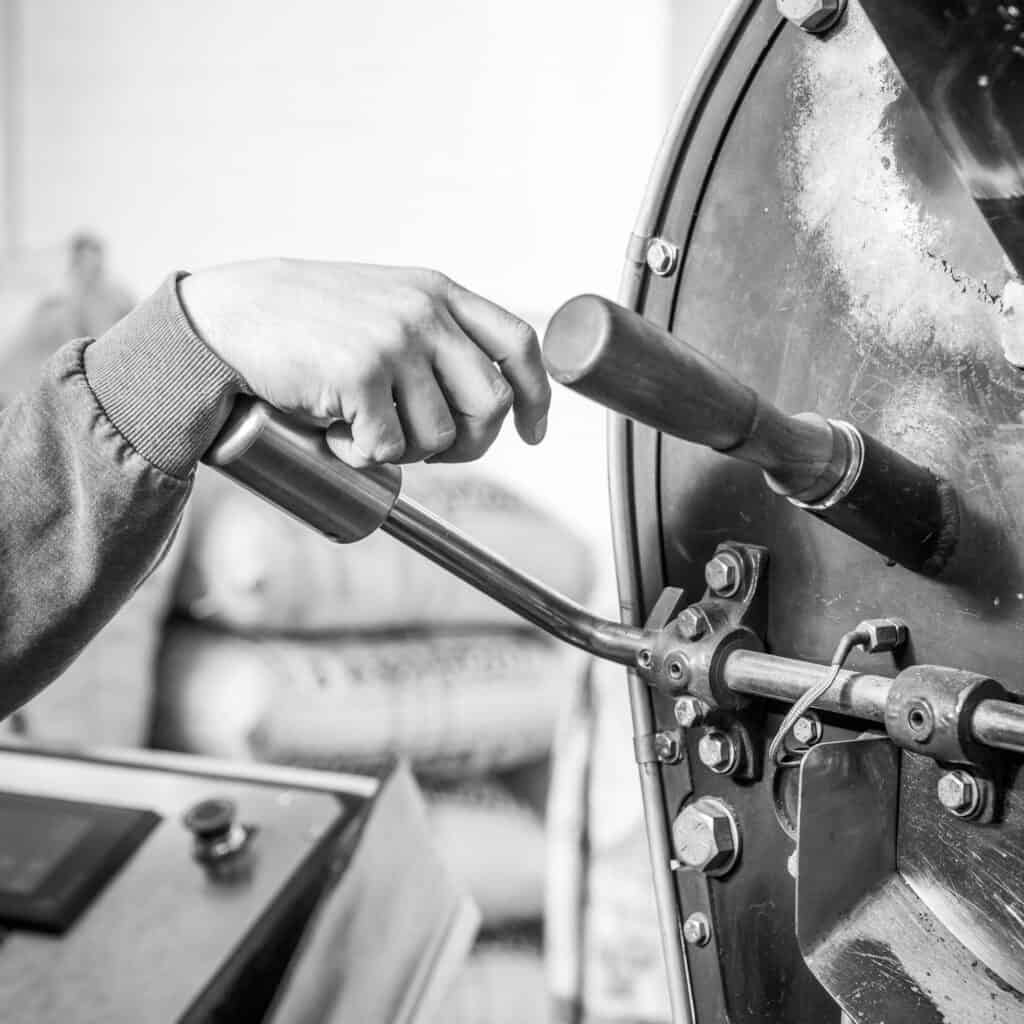
There is so much ambiguity around the world in terms of the language that coffee roasters use about their roast

You may have heard me say before that I am one of the luckiest people alive and experiences like last

Rwanda Rwamatamu You may ask what brings the daughter of a coffee family from Rwanda to Ross on Wye. It