

Rwandan Coffee in January Subscriptions
Rwandan Coffee in January Subscriptions This month, we are sending out two incredible Rwandan coffees in subscriptions, because we want
Coffee is part of the way of life for many people in Costa Rica today. A cup to start the day and another cup in the afternoon, too. As an origin, Costa Rica has been popular, across the world, for generations. Today, Costa Rican coffee ranks 14th (as of 2022-2024) as a global producer. 85% has historically been harvested by small producers. Costa Rica has a long history of coffee research and a strong institutional stability. World Coffee Research has worked alongside Icafe across many programs.
Coffee first arrived in Costa Rica in 1779 and was introduced from Cuba. Costa Rica became the first country in Central America to introduce coffee. No one knows exactly who it was. Coffee production quickly became a high-income for farmers. Initially, production was kept “in country” until approximately 1820, when Costa Rica started to export to other countries in Central and South America, starting with Panama and Chile.
Within 10 years, coffee overtook tobacco and sugar, changing the fortunes of many farmers at the time. Coffee thrives in Costa Rica, due to the defined seasons, altitude and humidity. The volcanic soil is naturally rich and low in pH.
Costa Rican coffee is made up of 8 growing regions, each with its own unique terroir
Turrialba: Near the Turrialba Volcano
Brunca: A particularly humid area.
Central Valley: As the name suggests, very central.
Guanacaste: Northern and mountainous.
Tarrazu: Almost as famous as the word coffee itself.
Orosi: Mountainous region, with rainforest. Cartago Province, an hour south of San Jose.
West Valley: As it says on the tin.
Tres Ríos: Very close to Irazú Volcano and also close to San Jose.
Costa Rican coffee production has contracted dramatically since the 1990s. ICafe (The Coffee Institute of Costa Rica) could see this coming and invited coffee roasters from around the world to visit the tropical paradise of Costa Rica in the early 2000’s/ noughties. We had the absolute luxury of visiting all of the regions the country had to offer, as well as visiting the national gardens, where plant integrity is quite unique. Individual varietals are grown in separate areas so that they remain pure and don’t cross-pollinate.
Like most other countries, there are national priorities and housing in nice and or populated places, making all land a highly prized commodity, and at an altitude even greater. Unlike a coffee crop, you can only sell it once. We have a similar situation in the UK, where some of our best farmland now has houses on it. Over the last 30 years, Costa Rican coffee has declined by half. In the last decade alone, the number of coffee farms has reduced from 47,000 to 25000 and it is still going.
The decline is partially driven by climate change, available labour and higher production costs. Internally, Costa Rica is thriving, being a world leader in manufacturing medical equipment, amongst other things. Tourism is huge, and it is every bit as expensive to eat and drink (some things) as in other places. Fresh, local seafood was very affordable. There may be a rule somewhere that says when the view is paradise, you just shouldn’t look at what life is costing you? It will finish, like most things in Costa Rica, with “Pura Vida!”
Costa Rica Tarrazu was one of the original 7 wonders of the coffee world, alongside Guatemala Antigua, Jamaica Blue Mountain and Hawaiian Kona.
So when people say that Costa Rica hasn’t had a great harvest this year, it’s not just the climate.
From 1830 to the late 1950s, coffee accounted for up to 95% of Costa Rica’s exports. Can you imagine? That is huge. Currently, Costa Rican coffee represents less than 1% of GDP. It is hard for the sector beyond all of the points above, as currency has increased in value by 35% this year. Imagine this: as a producer, your costs have gone up with everything else, as well as your currency being so strong, you have to raise your prices to keep up with inflation, too. This issue to a booming export economy. People are generally happy in Costa Rica, well, the ones I have spoken with. There seems to be a fair balance amongst people. 65% of the population lives in the middle. They have enough, a place to live and food on the table, with some optimism. The average working week is 6 days a week and 48 hours. I have more to report on this, and I will link them if you are interested.
As a coffee importer and roaster, I love to have coffee from Costa Rica (in our case Volcan Azul) as much of the time as possible. You have the quality, and you have traditions of generations of producers, handed down over hundreds of years. My prediction is that we won’t have very much ordinary coffee, outside hotels and airports in Costa Rica. Survival is going to mean either producing less, better quality coffee for exports at higher prices or a slow demise of the industry, which won’t be resuscitable.
There is a silver lining. When visiting Volcan Azul, I met with a group of coffee shop owners and baristas. They had passion and were driven to buy the best coffee their country could produce. The language barrier always melts away when you taste coffee as a group; it’s a heart-warming thing. I know, sentimental old fool? Maybe, just maybe, there could be a surge in the requirement for great coffee in-country? It would be great if this could be spread. There is a national tax to discourage importing coffee from other countries. I do feel this is all a bit of a personal perspective. I just hope that the coffee industry in Costa Rica doesn’t fall any further, as most people (consumers) don’t really care, and that goes for tourists and nationals alike.
If you want to keep an eye on Costa Rican coffee, there is always the Tico Times. Great name. There is an article briefly explaining the demise and struggle of Costa Rican coffee due to pressure from the US Dollar.
Some of the information above has been borrowed from:
and
Rwandan Coffee in January Subscriptions This month, we are sending out two incredible Rwandan coffees in subscriptions, because we want
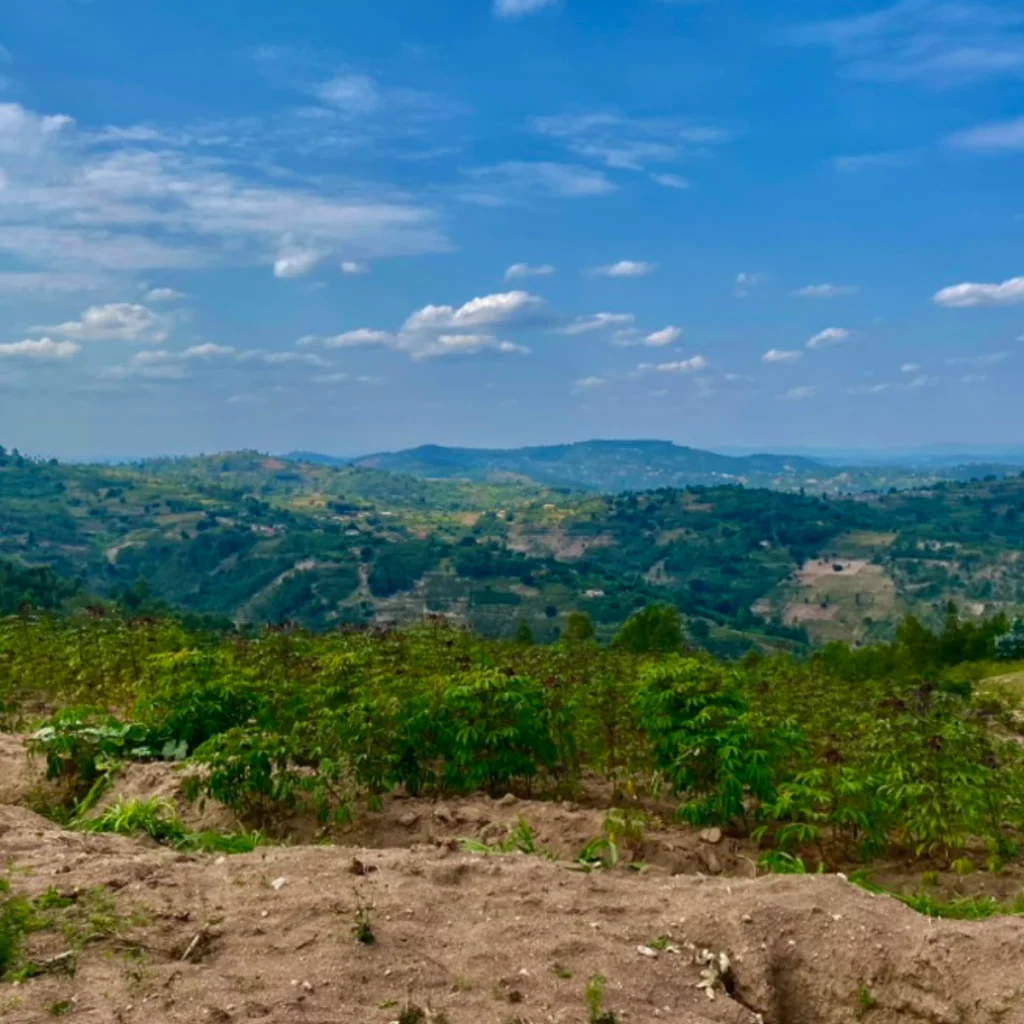
Rwandan Coffee It is only when you have travelled to a country and got a feeling for some of its

Coffee Chains Coffee Chains are a fascinating phenomenon. Many people visit every day to buy the same experience. The chain’s
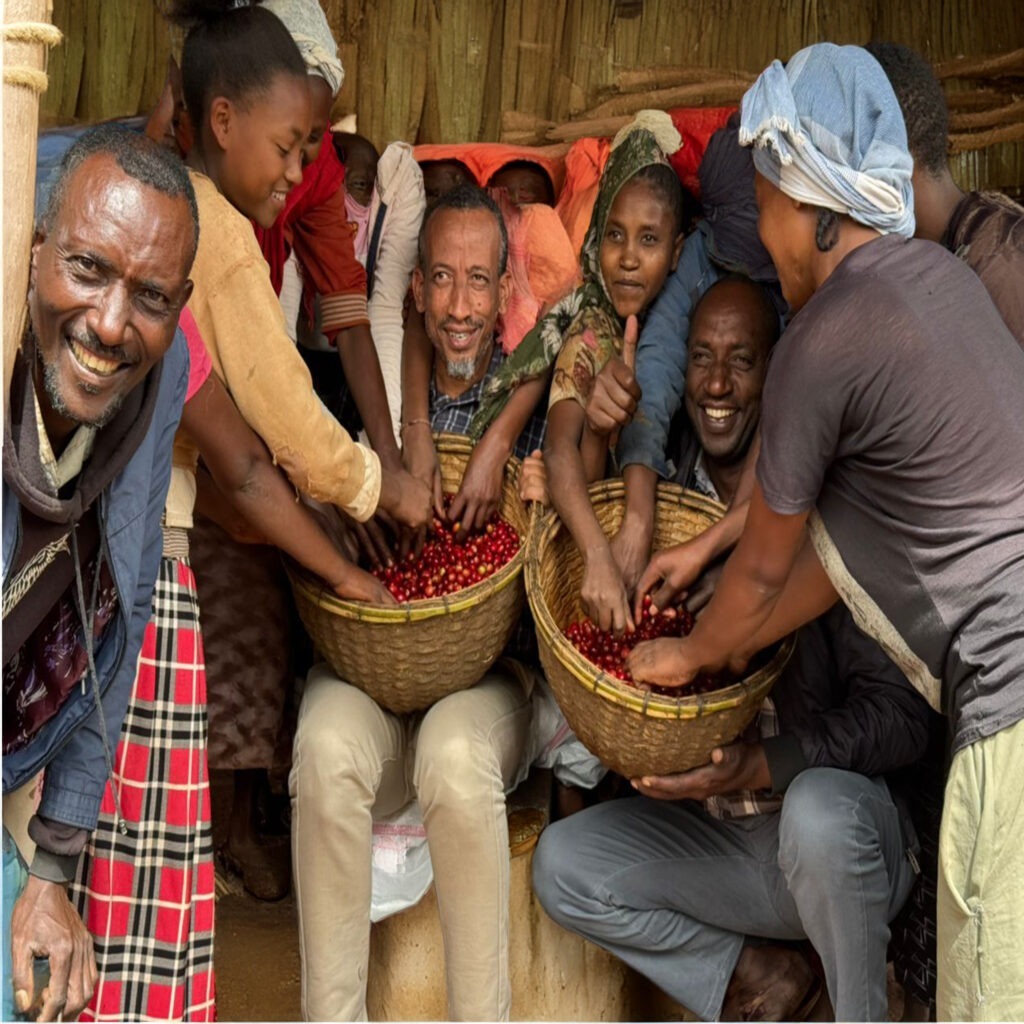
Ethiopian Coffee This is a coffee story about my relationship with Ethiopian coffee. We should always remember where people first
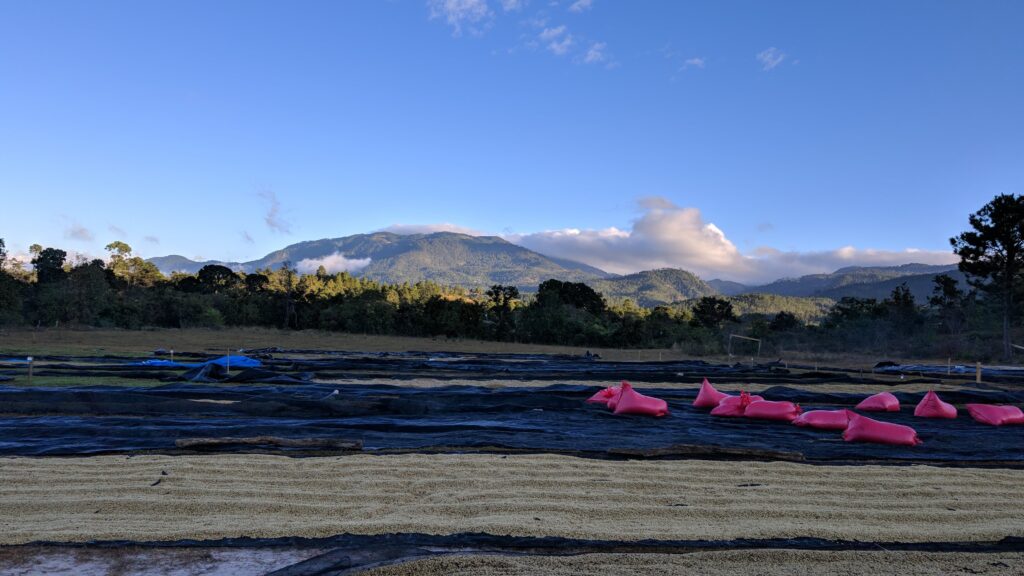
From Struggle to Strength Honduras How the Mayorga Family is Building a Better Future Through Coffee The past year has
How The World Coffee Market Has Affected The Cost Of My Cup Of Coffee Most of us like things to
Why has my coffee gone up? In November the world coffee market went through the roof. Existing contracts with producers

The Fellow Aiden Brewer Review After COVID-19, I promised (mainly to myself) not to sell “stuff” for the sake of