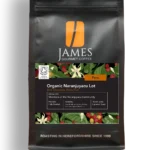
If you like your Organic coffees to be roasted as organic and be properly certificated, you are in luck. We roast Organic coffee on Wednesdays. In the coffee game, ingredients like this are very popular. The altitude is responsible for the sweet acidity, but the solubility and easy brewing nature of coffees like the Peru Naranjuyacu Community Lot just work for so many of us. Although this is not similar to Cipreses, it promises to be as popular as Organic Honduras. If you are struggling with how to pronounce the wonderful name above, phonetically, it sounds like nar-an-hu-ya-koo. Easier now?
Country: Peru
Department: Cajamarca
Cooperative: Amoju
Province: Cutervo
District:Santo Domingo de la Capilla
Average Farm size: 1.5 hectares
Certification:(when sold as) Organic
Main Varieties: Red and Yellow Caturra, Pache, Catimor, Typica, Bourbon
Altitude: 1,700 to 1900 meters above sea level
Main Harvest period: August – September
This coffee reaches us via Cultivar Exporters, and we share transport with our London-based mates at Monmouth CC.
Naranjuyaku is part of the Amoju cooperative. The name Naranjuyacu is a name made from two languages. Naranjo/u (Orange in Spanish) and Yaku (water in Quechua). So we have Orange water. This lot is named after that village in Santo Domingo de la Capilla.
The Amoju cooperative was founded in 2016 and translates to “source of fresh water” in Awajun. On so many levels, when you don’t have water, you don’t have coffee! Historically, the local area is more known for growing potatoes, yucca, corn, and cattle. Coffee has been a relatively recent addition to agriculture in Santo Domingo de la Capilla.
In 2013-14, there was terrible leaf rust throughout Peru. By moving production to higher altitudes, the rust was less of a problem, and the coffee was even better. In 2016, the government incentivised coffee producers by giving them. free plants, such as catimor, caturra and typica.
The Aoju cooperative started working with agroforestry to help producers combat weed problems and make better use of their land. Between them, they found logical ways of growing food and cash crops amongst their coffee plantations, encouraging better soil health, fewer weed issues and better food security.
9oz Milk-based drink: Black treacle, Milk-chocolate rich caramel
6oz Milk-based drink: Creamy, cocoa sweet.
Deep sweetness, stone fruit, and dark chocolate.
Milk-based
17-18g of coffee into 34-36g of espresso liquid, 25-30 seconds
Espresso
17-18g into 45-50g of espresso liquid in 30-35 seconds.